Microneedling, peels & boosters

Better skin, not different skin

Skin work is a course rather than a single visit, and it is honest about what it can shift. The aim is skin that holds up without makeup, not skin that looks like it has been somewhere.

The approach

A plan, not a treatment list

Skin is assessed before anything is booked. What it needs depends on your skin type, your history, what you use at home and how much downtime you can actually take, and the answer is rarely a single treatment.

Most concerns respond to a course spread over a few months rather than one appointment. That is slower than anyone wants to hear and it is the reason the results below exist.

You will also be told what will not shift. Some texture, some pigmentation and some depth of scarring need more than a treatment room, and it is better to hear that at consultation than after paying for a course.
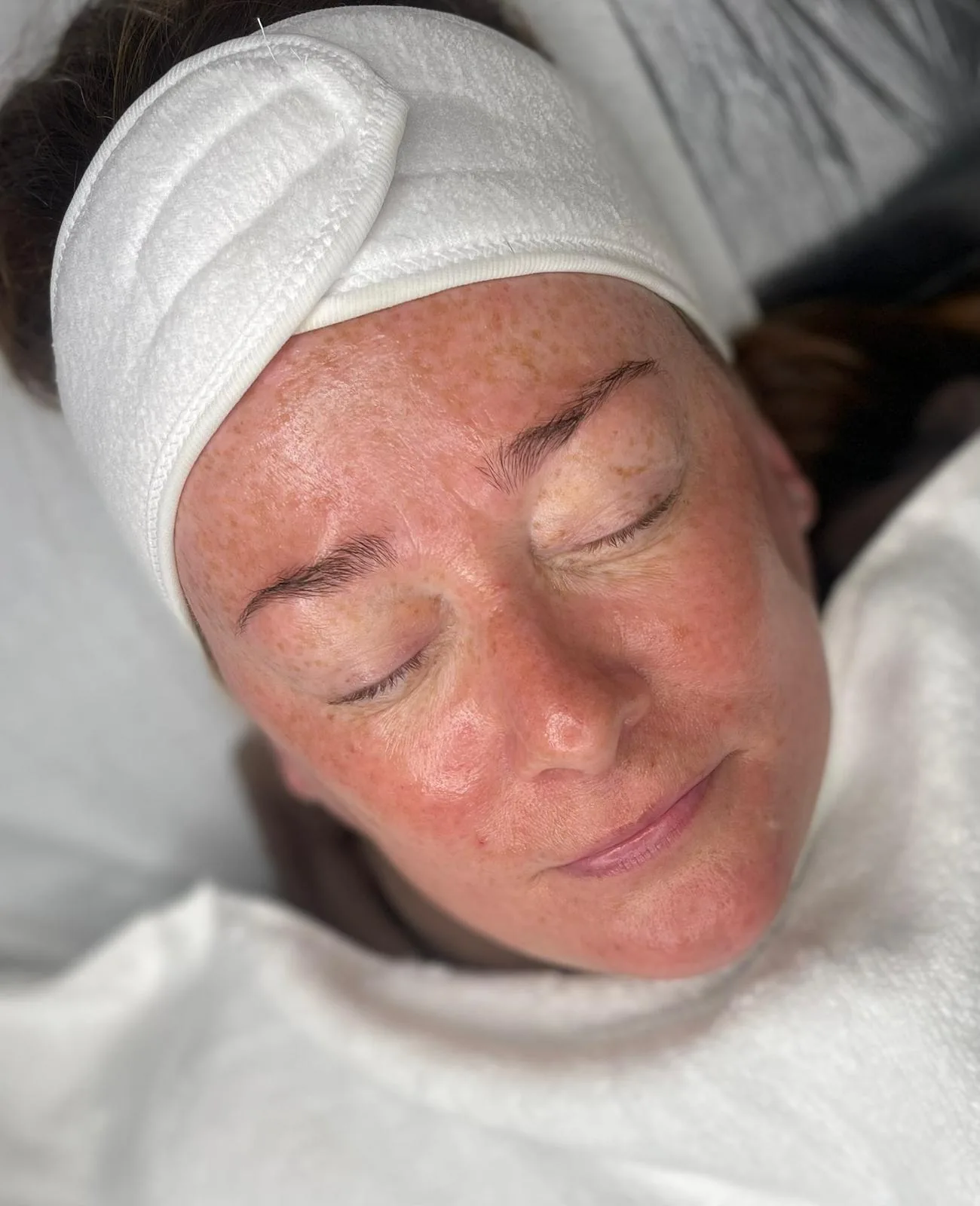
A client during a skin treatment at the Karrina Crystal clinic

Treatments

Four ways in

Which one you start with depends on what you are trying to change. Texture and scarring want a different approach from dullness or dehydration, and the two are often confused.

Treatments are frequently combined across a course rather than chosen once and repeated.
Book a consultation

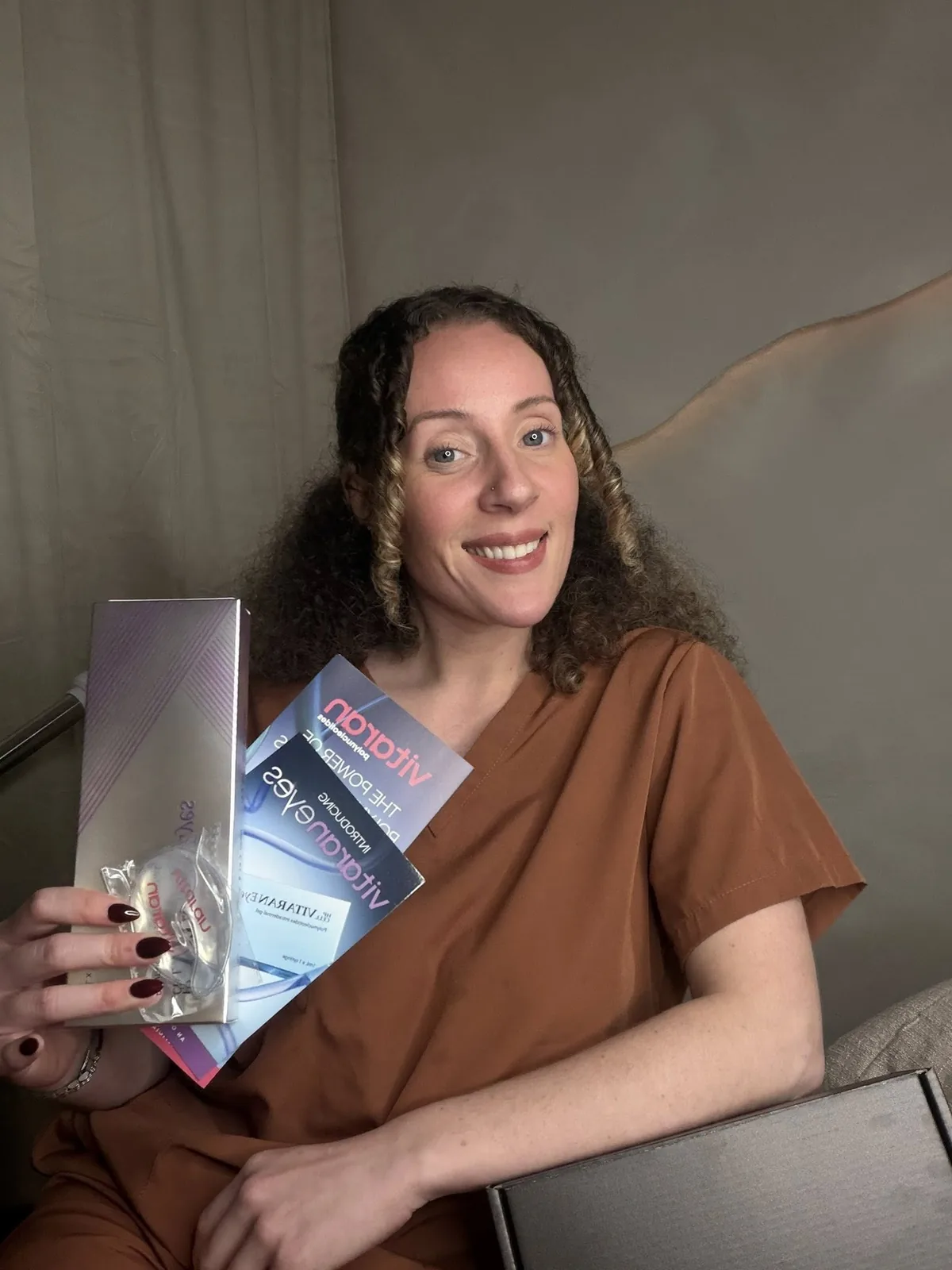
Karrina Crystal holding Vitaran polynucleotide skin booster products

Microneedling

Fine needles create controlled micro-injury, prompting the skin to rebuild its own collagen as it repairs.

  • Texture, scarring and fine lines
  • Expect redness for a day or two
  • Usually a course of three to six

Chemical peels

Resurfacing at a strength matched to your skin, to lift dull surface cells and even out tone.

  • Uneven tone, pigmentation, dullness
  • Light flaking for a few days
  • Strength built up gradually

Collagen and glow facials

Deeply hydrating treatments for skin that reads as tired rather than damaged. No downtime.

  • Dehydration and dullness
  • Nothing visible afterwards
  • Good before an event

Polynucleotide boosters

Vitaran, a CE-marked polynucleotide derived from purified salmon DNA, used to support the skin's own repair processes.

  • Skin quality and hydration
  • Assessed at consultation first
  • A regulated device, not a medicine

Is it for you

What skin work does and does not do

Being straight about this at the start saves everyone a disappointing course.

Responds well

  • Texture and roughness Skin that feels uneven to the touch rather than looking uneven.
  • Post-acne scarring Shallow and rolling scarring, over a course rather than a session.
  • Dullness and dehydration Often the quickest thing to shift and the easiest to maintain.
  • Fine lines Softened rather than removed, and gradually.

Needs a longer conversation

  • Active acne or inflamed skin Usually needs settling before resurfacing of any kind.
  • Melasma and hormonal pigmentation Can worsen with the wrong treatment. Assessed carefully.
  • Deep or icepick scarring Improvable, but honestly limited by what a treatment room can reach.
  • Laxity Skin work firms the surface. It does not lift the structure underneath it.

The course

Months, not appointments

Collagen takes time to build. The change most people are after happens across a course spaced several weeks apart, with the difference becoming obvious somewhere around the third session rather than the first.

What you do at home between appointments matters as much as what happens in the room, so you will leave with a routine as well as a booking.
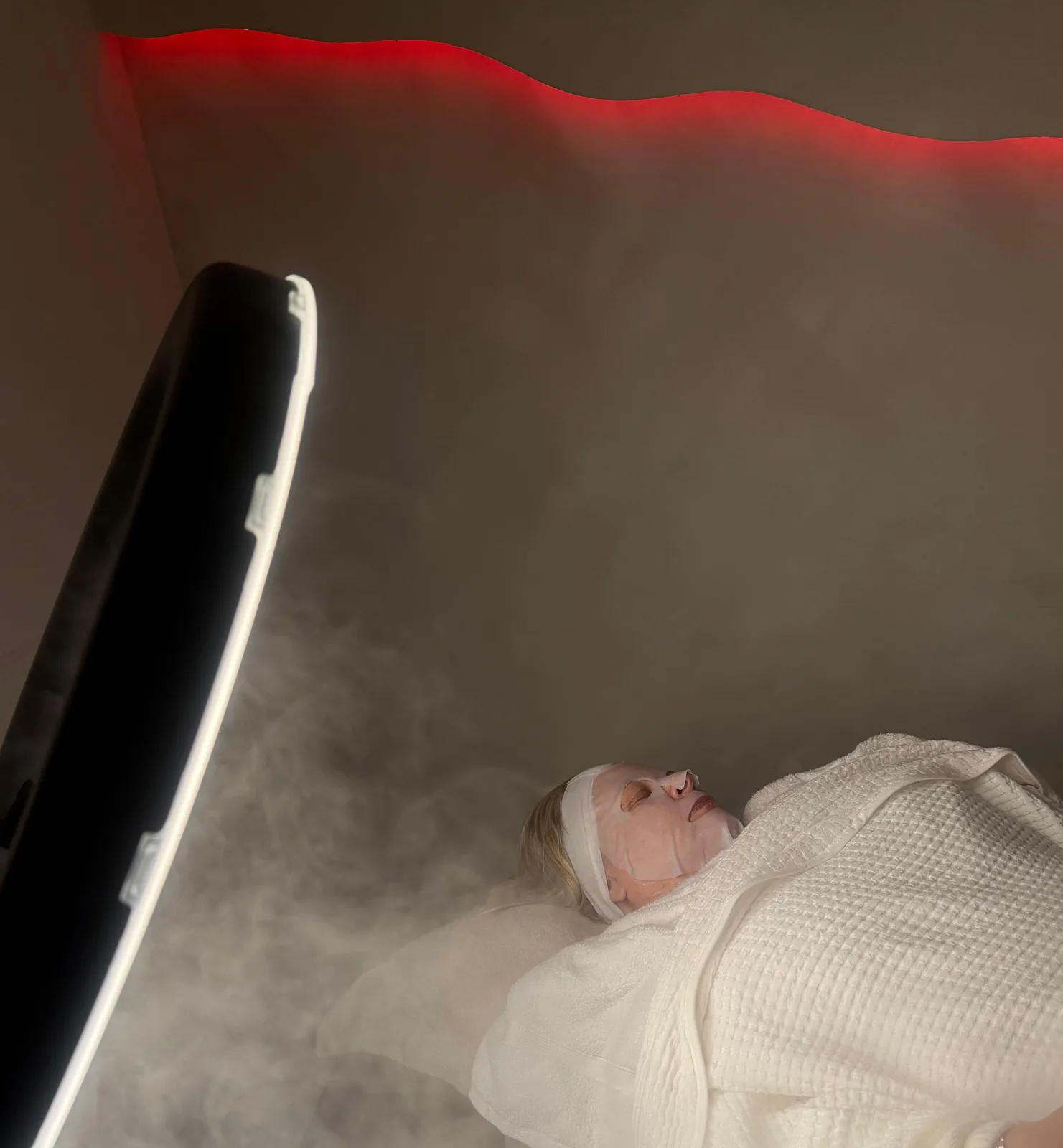
A client with a hydrating mask during a facial in the treatment room
  1. Consultation Skin assessed History, current routine and what you want to change. A patch test where one is needed.
  2. Session one Starting point Treated at a strength your skin can take, not the strongest available.
  3. Days after Settling Redness or light flaking depending on treatment. Sun protection is not optional.
  4. 4 to 6 weeks Next session Spacing lets collagen do its work. Rushing a course wastes it.
  5. After the course Maintenance Occasional sessions to hold the result rather than starting over.

Course length, spacing and downtime vary by treatment and by skin. Everything above is typical rather than guaranteed, and your plan is set at consultation. Individual results vary.

Results

Real clients, real skin

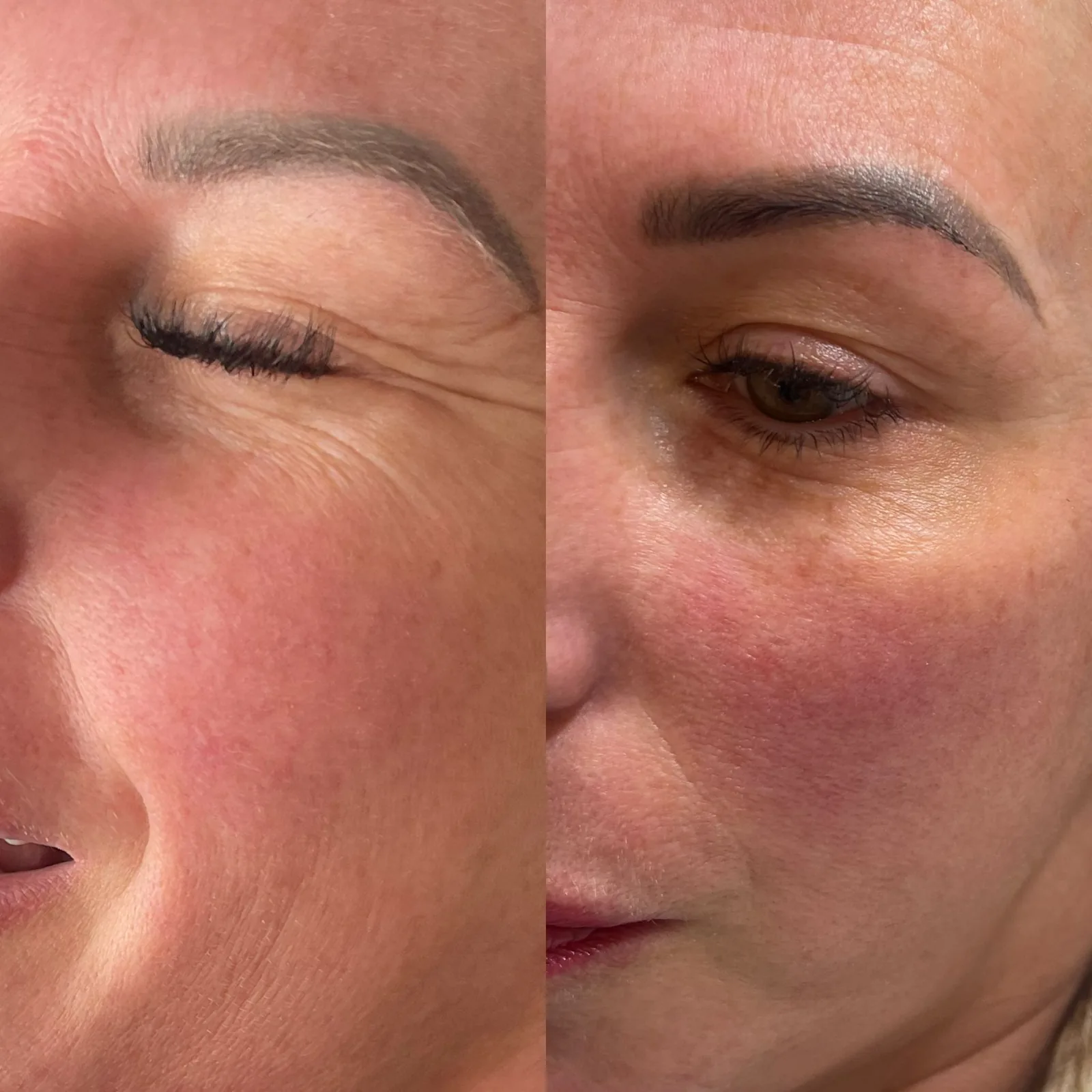
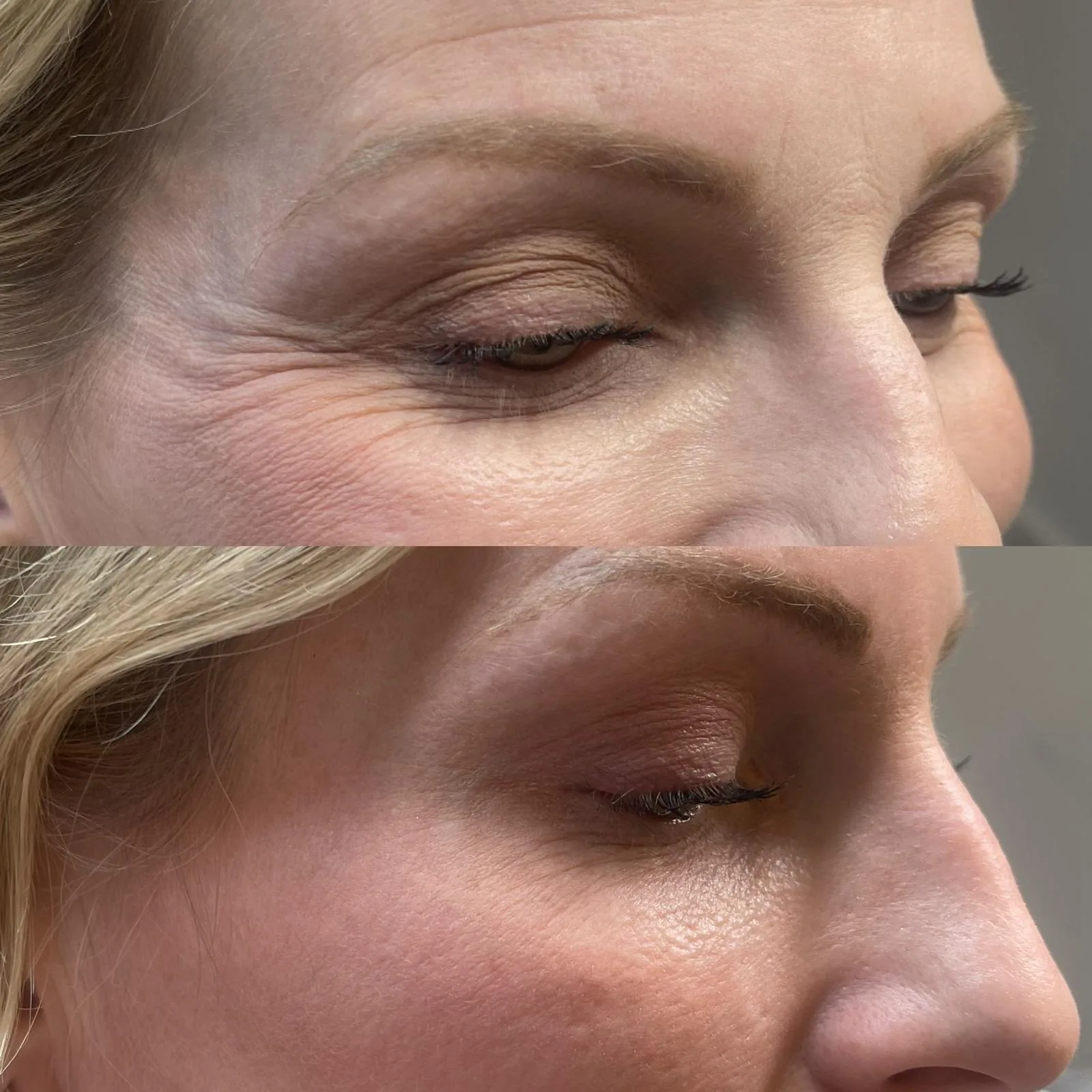
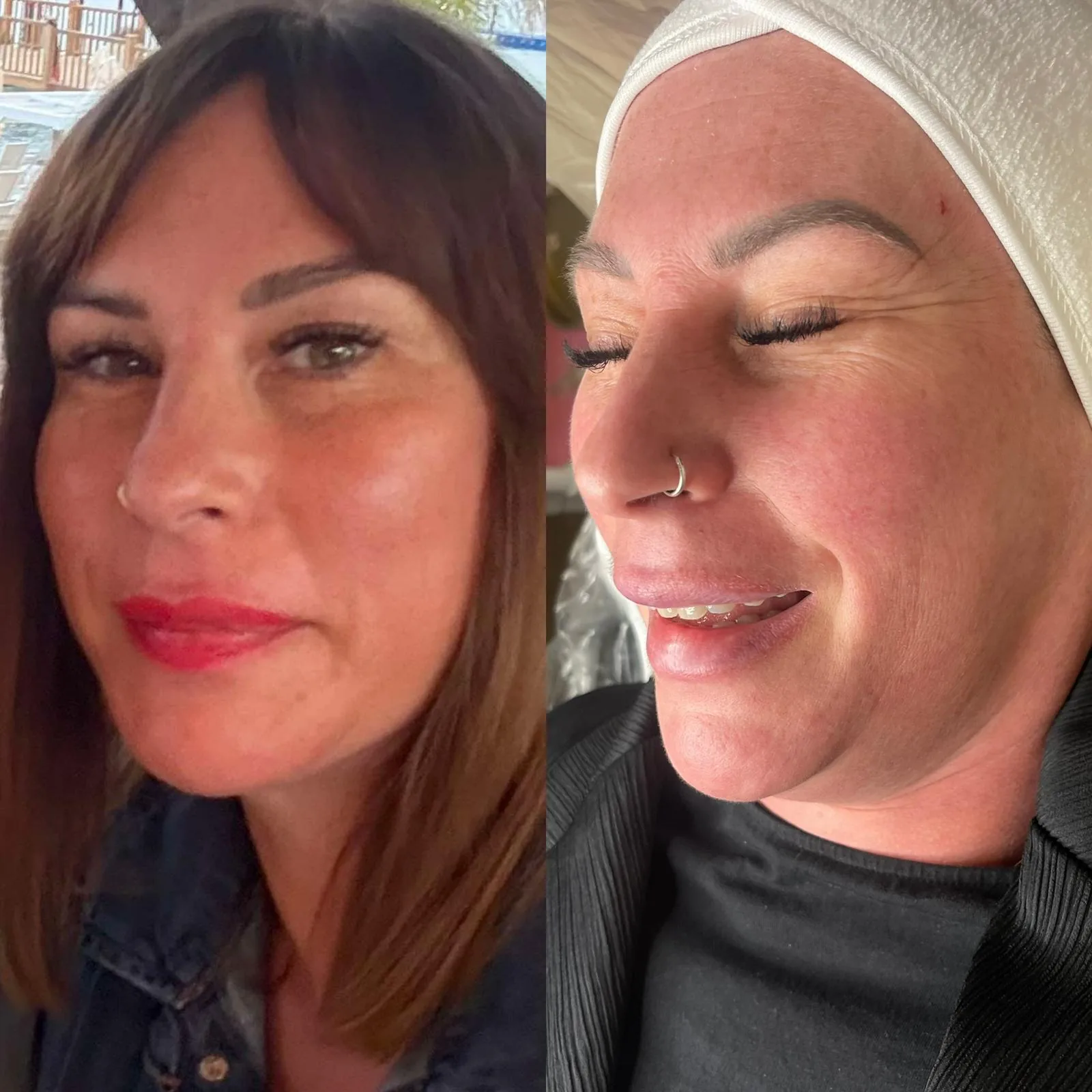
Shown after a course of treatment unless stated otherwise. Skin responds differently to the same protocol, so these are what has been achieved rather than what is promised.
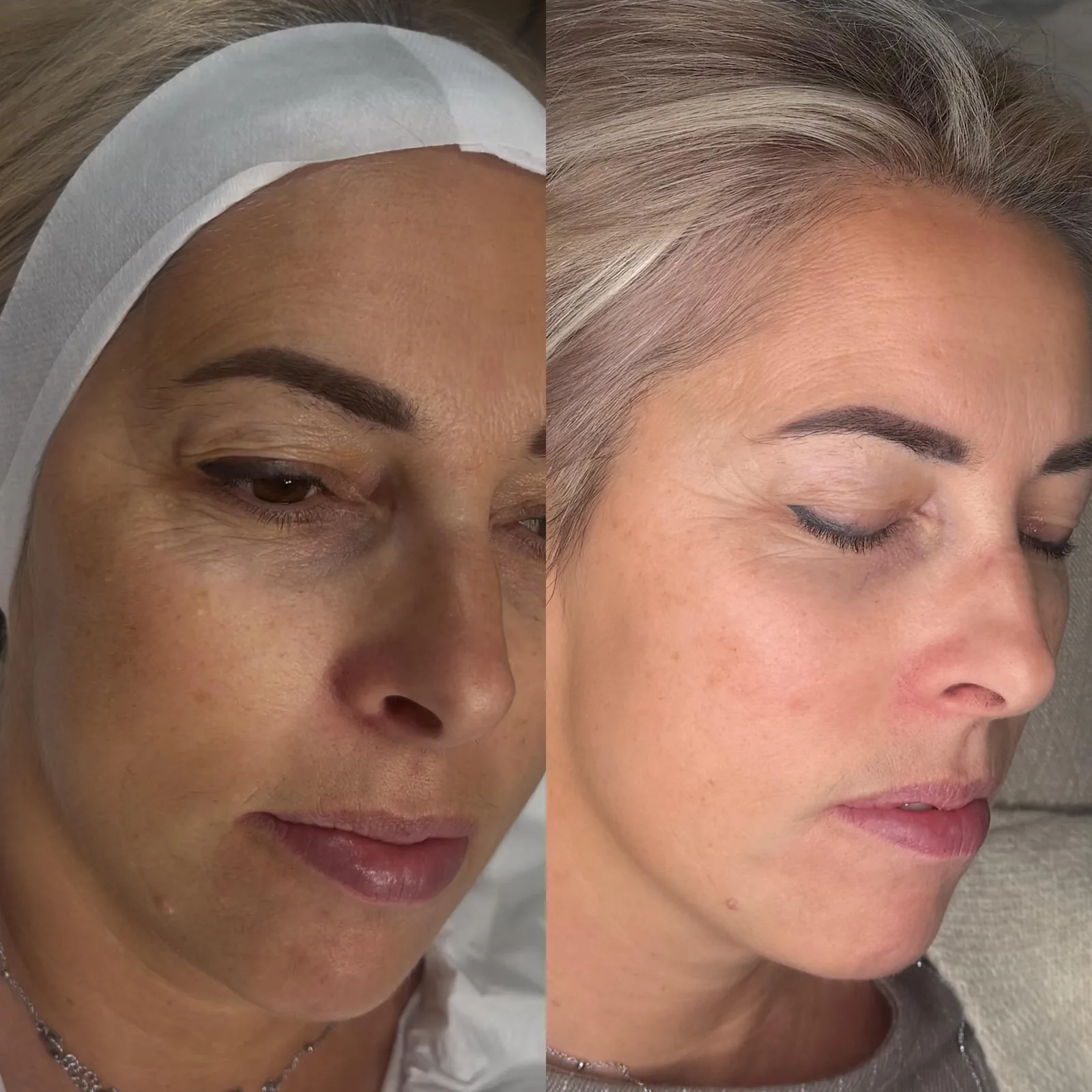
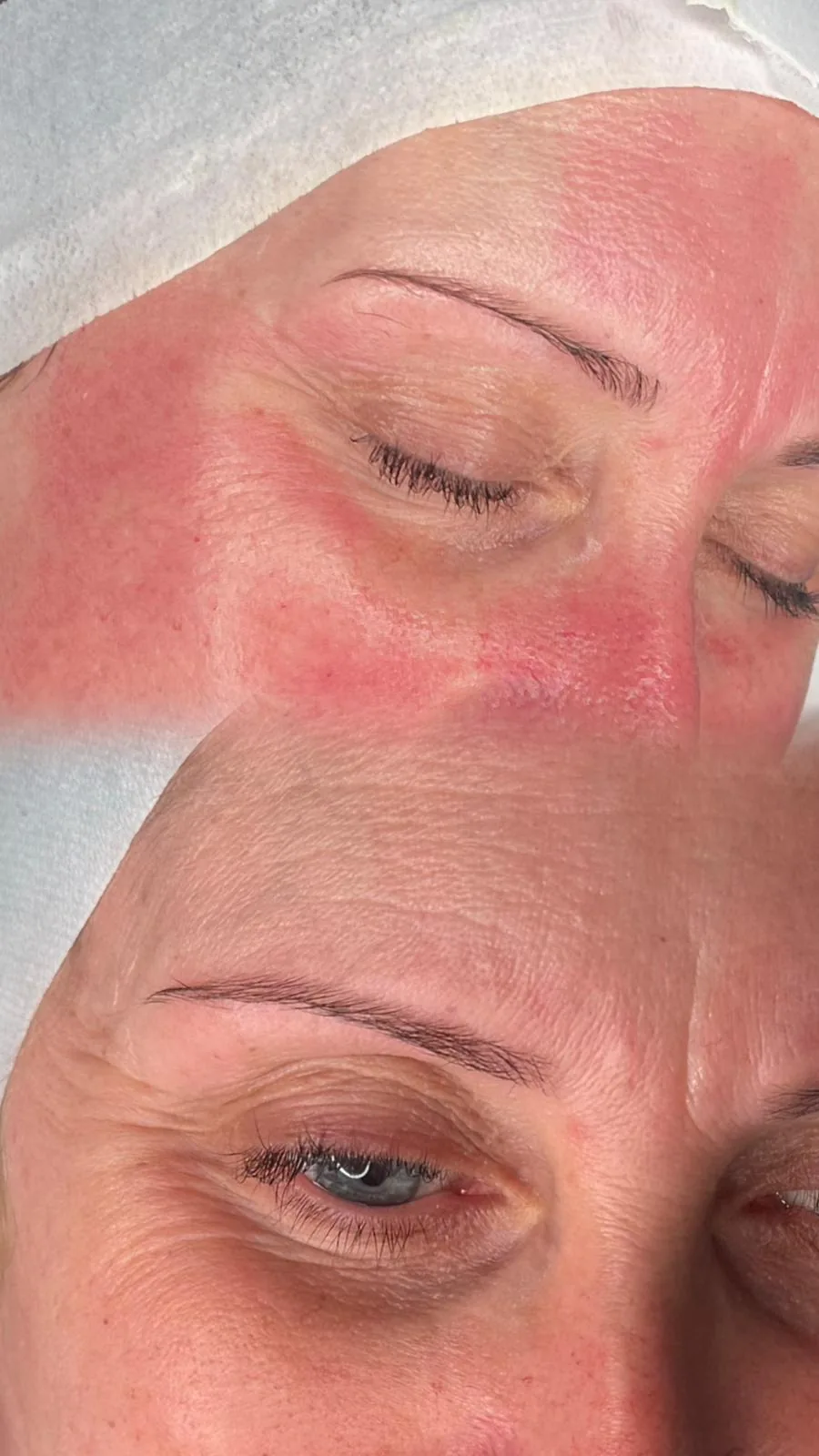
The same client's skin before and after a course of treatment, shown side by side
Before and after a course Overall complexion, same lighting both sides.
A client's skin before and after treatment, across the cheek and jaw
Before and after a course Tone across the cheek and jaw.
Skin texture around the eye and cheek before and after treatment
Before and after a course Texture around the eye and cheek.
The eye area before and after a course of skin treatment
Before and after a course Eye area.
A client's skin before and after treatment, showing smoother texture
Before and after a course Surface texture across the face.
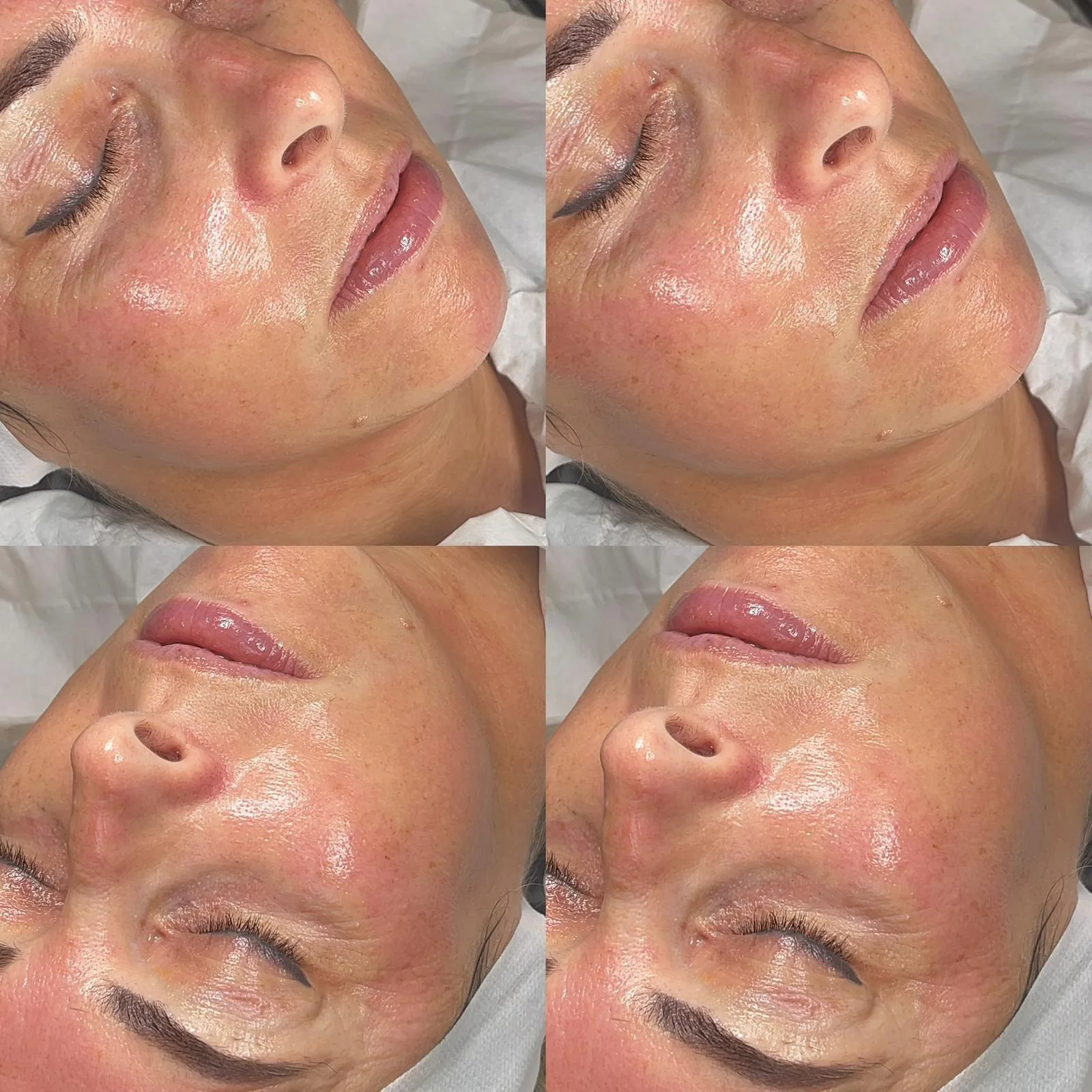
A client's complexion from several angles immediately after a skin treatment
Immediately after treatment Taken on the day, from several angles. Skin settles over the following days.

See more results

Start with an assessment

Find out what your skin needs

Bring the products you use at home. Half of what gets blamed on skin is actually the routine, and that is a much cheaper thing to fix.

Yorkshire Prestige Awards 2025/26 winner  ·  Garforth, Leeds

Call Book